
Male breast reduction
Gynecomastia treatment in Scottsdale
Enlarged breast tissue in men is common and treatable. The cause is checked first, then Dr. G removes extra fat or tissue where surgery is the right answer.
Rated 4.9 stars from 47 Google reviews.
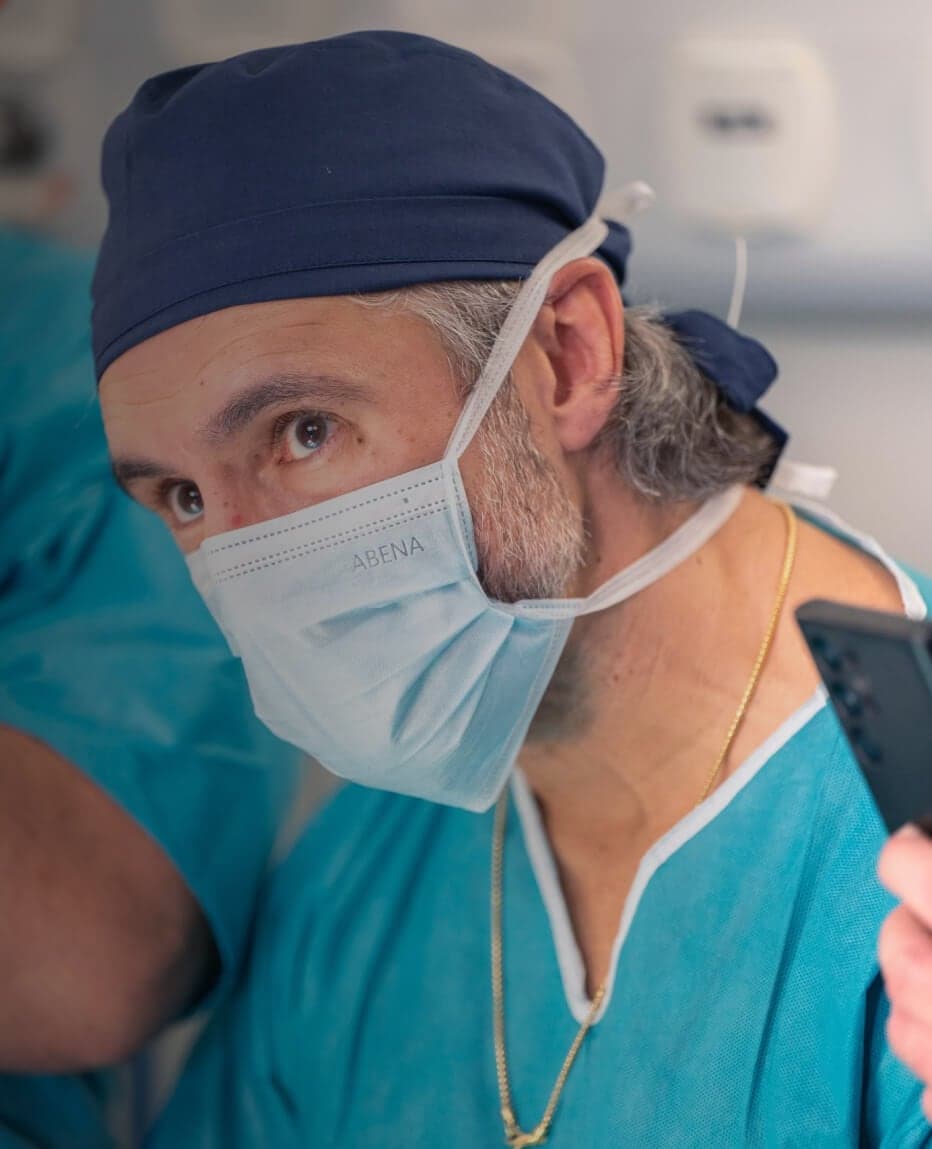
Gynecomastia is breast tissue in men that grows more than it should, on one side or both, most often because estrogen is high relative to testosterone. Treatment follows the cause: liposuction removes extra chest fat, surgery removes extra breast tissue, and medication can rebalance hormones. The cost depends on which approach you need, and that is decided at your consultation.
Gynecomastia is not usually dangerous, but it can affect body image and confidence at work or with friends. Treating it can help a man feel at ease in his own chest again. Results vary from person to person.
Three ways to treat enlarged male breasts
Liposuction
Extra fat around the chest is removed with a thin cannula through small incisions, the same tool used for liposuction elsewhere on the body.
Tissue removal
When enlarged breast tissue is the problem and it bothers you, Dr. G makes a small incision and takes out the extra tissue.
Hormone therapy
When hormones are out of balance, medication to correct them can reduce how much breast tissue there is.
When another health condition is behind it, treating that condition comes first. Stopping a medication that causes it, or balancing estrogen and testosterone, can be enough. Surgery is for severe or long-standing cases where those steps have not worked. Read how power assisted liposuction handles dense chest fat.
What causes it, and the signs to look for
Common causes
- Hormone imbalance
- The most common cause: more estrogen relative to testosterone, often during puberty or with aging.
- Medications
- Anti-androgens used for prostate cancer, some heart medications, certain antidepressants and anabolic steroids can all upset the balance.
- Health conditions
- Diabetes, kidney failure and liver disease affect how hormones are made and regulated.
- Alcohol and drugs
- Alcohol and recreational drugs change hormone levels and metabolism.
Signs and symptoms
- Swollen or enlarged breast tissue, on one side or both
- Tenderness or sensitivity to touch, from mild to painful
- A chest that looks rounder or fuller
- Nipples that change in size, shape or position
- A lump or firm area under the nipple
- Growth that is even on both sides, or more pronounced on one
- Embarrassment or self-consciousness about the chest
Depending on the cause, some men also notice changes in libido, erectile problems or smaller testicles. If you notice any of these signs, see a physician to find the reason.
The emotional side of gynecomastia
The gap between how a man expects his chest to look and how it does can wear on body image and self-esteem, and that often carries into social life and relationships. Feeling self-conscious about it is normal, and many men go through it.
Exercise, mindfulness and supportive friends can ease the burden. Support groups give a place to share experiences and fears, and a psychologist or counselor who works with body image can help when the distress runs deeper.
Medical or surgical treatment addresses the physical side, and Dr. G talks through what each option can and cannot change.
How the cause is found
Finding the reason is the first step, because it decides the treatment.
Medical history
A review of your medications, any drug use, and your family and social history.
Physical exam
A careful exam often points to the likely cause on its own.
Further tests
Blood tests, a mammogram or other imaging, when the cause needs a closer look.
When surgery is the plan, Dr. G performs it. Dr. Armendariz has performed more than 2,000 liposuction procedures.
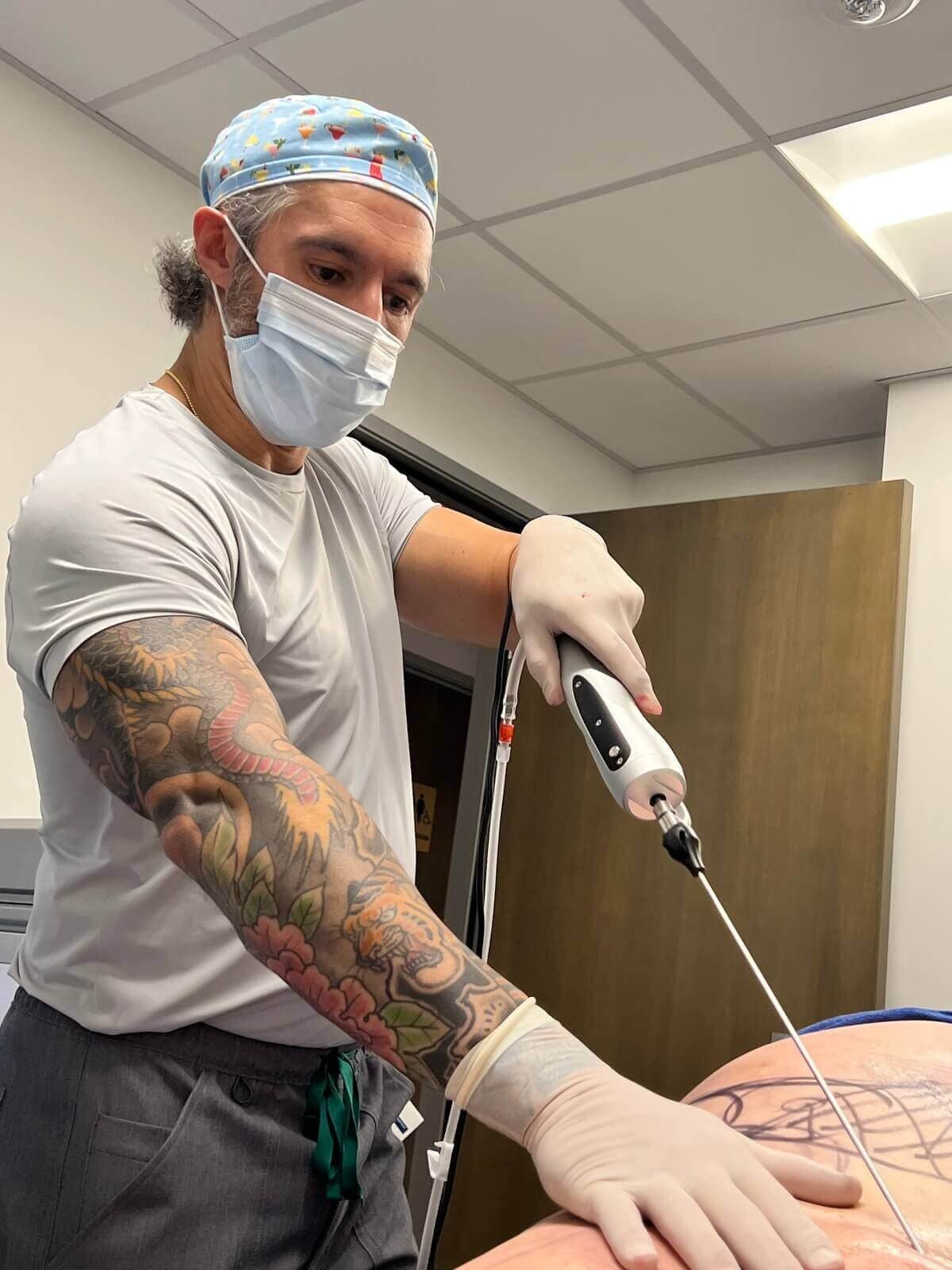
I got the Male Summer Body package and I love the progress.
Gynecomastia questions
Does gynecomastia go away on its own?
Is gynecomastia a sign of a serious illness?
Does gynecomastia raise the risk of male breast cancer?
Can diet and exercise help with gynecomastia?
What are the risks of gynecomastia surgery?
Book a consultation with Dr. G
Tell us what you want to change. The team will call you to set a time, in English or Spanish.
Rated 4.9 stars from 47 Google reviews.
A $200 consultation fee applies to every appointment with Dr. G. It is non-refundable and is credited in full toward any treatment or procedure you schedule.
10250 N. 92nd Street, Suite 110, Scottsdale, AZ 85258